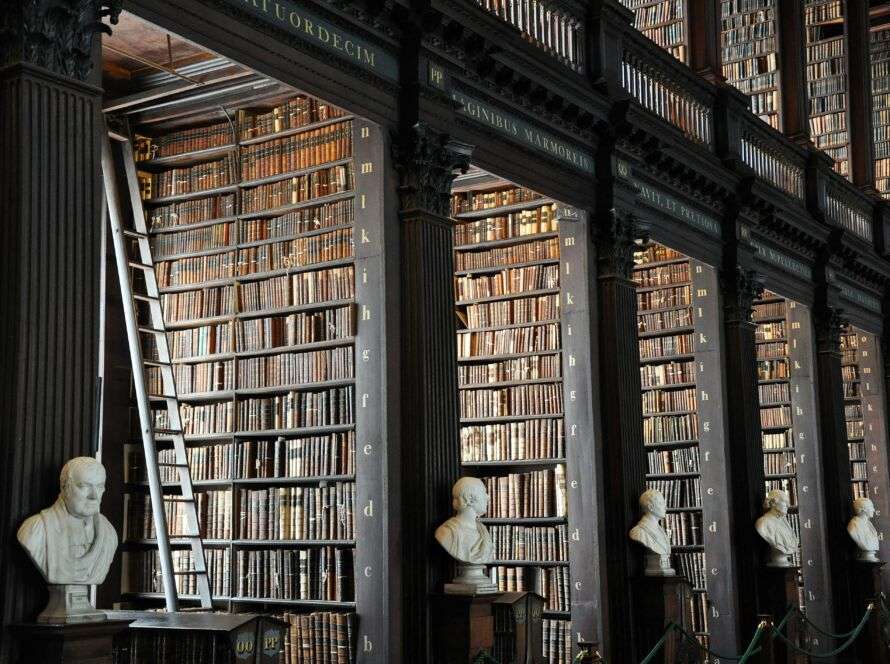
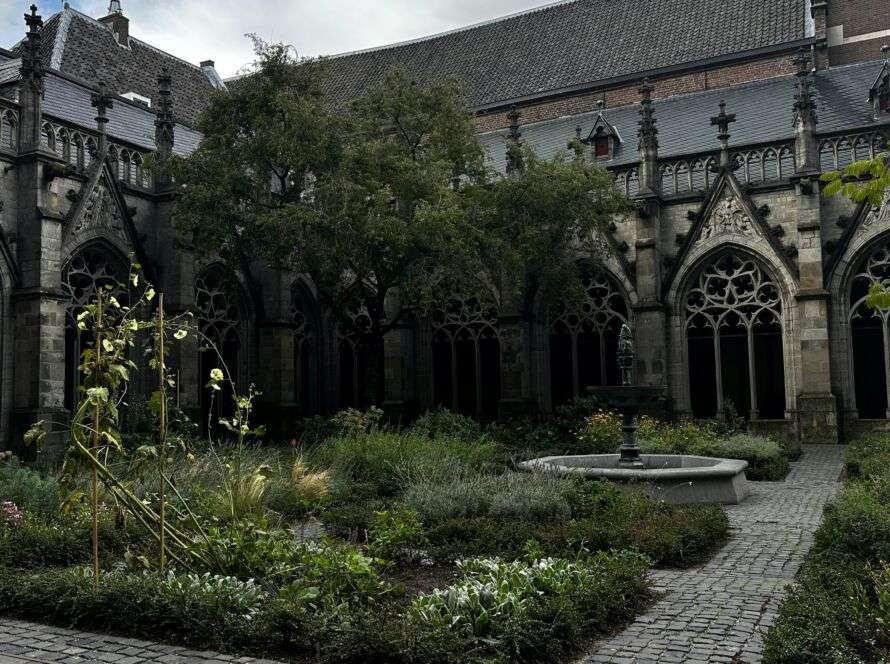
Secret societies, ancient libraries, intellectual obsession, and knowledge that comes at a dangerous price. Dark academia brings academic settings together with mystery, power, ambition, and humanity’s darker impulses.
But which dark academia book should you read first?
This guide features twelve dark academia books for adults, ranging from modern classics without supernatural elements to dark fantasy filled with magic, forbidden rituals, and unsettling secrets.
The books are not ranked. Each one has been selected because it represents a different aspect of dark academia and offers a distinct kind of reading experience.
Not sure what actually qualifies as dark academia? Start with our guide to the dark academia genre and aesthetic.
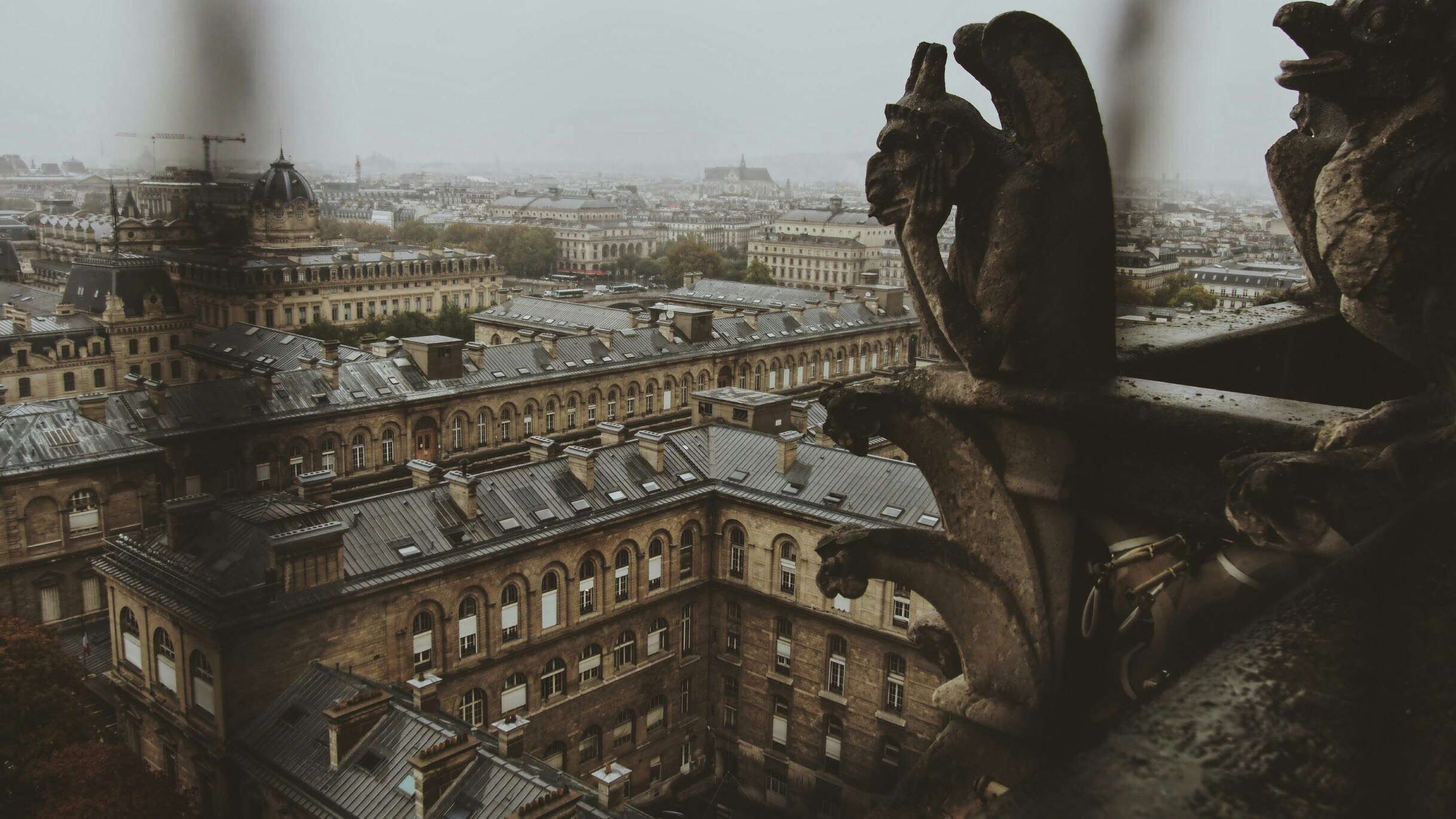
Dark academia without magic
These books use universities, boarding schools, museums, and artistic communities to explore belonging, ambition, class, friendship, and crime. Their darkness is primarily human rather than supernatural—at least most of the time.
1. The Secret History by Donna Tartt
When Richard Papen arrives at Hampden College, he becomes fascinated by an exclusive group of students studying ancient Greek. They are cultured, privileged, and unlike anyone he has ever known. More than anything, Richard wants to become one of them.
Readers learn early in the novel that the group has murdered one of its own. The central question is therefore not who committed the crime, but how the students reached that point and what the murder does to them afterward.
Published in 1992, The Secret History is widely considered the defining novel of modern dark academia. It contains many of the genre’s most recognizable elements: an exclusive intellectual circle, classical studies, ritual, privilege, obsession, and moral disintegration.
Ideal for readers who enjoy: slow-burning psychological novels, complicated characters, classical studies, and an atmosphere of approaching disaster.
2. If We Were Villains by M.L. Rio
Oliver Marks has served ten years in prison for murder. On the day of his release, he is met by the detective who investigated the case—a man who still wants to know what really happened.
Ten years earlier, Oliver and his friends were studying Shakespeare at the exclusive Dellecher Classical Conservatory. The students live almost as much through their theatrical roles as they do through their own identities. When the group’s carefully established casting begins to change, the conflicts they perform onstage start making their way into real life.
The novel combines Shakespeare, intense friendship, rivalry, and murder. It is frequently compared with The Secret History, but its theatrical setting and emotionally entangled relationships give it an identity of its own.
Ideal for readers who enjoy: Shakespeare, theater, intense friendships, murder mysteries, and characters who cannot be entirely trusted.
3. Bunny by Mona Awad
Samantha Heather Mackey is an outsider in a prestigious creative writing program. She despises the wealthy, inseparable group of women in her cohort who all call one another “Bunny”—until she receives an invitation into their world.
Behind the group’s excessively sweet exterior are strange rituals, manipulation, and creations that should not be possible. As Samantha becomes increasingly involved with the Bunnies, the line between reality and imagination begins to disappear.
Bunny is an unusual blend of campus novel, literary satire, surrealism, and horror. Beneath its bizarre events is a story about creativity, class, loneliness, and the powerful desire to belong.
Ideal for readers who enjoy: strange books, dark humor, creative writing, complicated female friendships, and stories that make reality feel unstable.
4. The Cloisters by Katy Hays
Ann Stilwell moves to New York for a summer job at the Metropolitan Museum of Art. Instead, she finds herself assigned to The Cloisters, the museum’s collection of medieval art, where she joins a small group of researchers studying Renaissance art, divination, and the history of tarot.
When the group discovers a rare deck of cards, they begin to wonder whether it might actually be possible to predict the future. Their research soon becomes entangled with ambition, secrecy, and obsession.
Here, a museum and its research community take the place of the traditional university campus. The book’s exclusive circle, historical artifacts, and interest in fate and power place it firmly within the dark academia tradition.
Ideal for readers who enjoy: museums, art history, tarot, academic rivalries, and atmospheric mysteries.
5. Catherine House by Elisabeth Thomas
Catherine House is an exclusive and experimental college where students are expected to leave the outside world behind for three years. The school provides free tuition, room, and board—but demands total commitment in return.
Ines arrives hoping to escape her old life. At first, she is seduced by the freedom and isolation Catherine House offers. But as she begins investigating the school’s secrets, she realizes that its experiments may be far more dangerous than she imagined.
The novel moves between Gothic fiction, speculative fiction, and the campus novel. Its slow pace emphasizes isolation, atmosphere, and the unsettling sense that the institution knows far more than it is willing to reveal.
Ideal for readers who enjoy: closed institutions, Gothic atmosphere, slow mysteries, and disturbing scientific experiments.
Dark academia fantasy books
Want shadowy universities and secret societies combined with magical languages, occult rituals, and dangerous powers? Dark academia fantasy might be the perfect place to continue.
6. Babel by R.F. Kuang
After being orphaned in Canton, Robin Swift is taken to England and educated in languages. His ultimate destination is Oxford’s Royal Institute of Translation—known as Babel—where language is used to create magic through enchanted silver.
At first, Babel appears to be everything Robin has ever wanted: a place devoted to knowledge, books, languages, and people who share his intellectual curiosity. Gradually, however, he discovers that the institute’s research is fundamental to the British Empire’s colonial power.
Babel combines historical fantasy, linguistics, and dark academia. It explores who controls knowledge, who is granted access to elite institutions, and whether it is possible to reform a system built on exploitation.
Ideal for readers who enjoy: languages, historical fantasy, Oxford settings, academic rivalry, and politically engaged fiction.
7. Ninth House by Leigh Bardugo
Alex Stern receives an unexpected opportunity to attend Yale despite having a background very different from that of her classmates. Her place at the university comes with a secret responsibility: monitoring the occult activities of Yale’s powerful secret societies.
When a young woman is found dead, Alex begins to suspect that the societies know more than they are admitting. Her investigation draws her deeper into a world of ritual, ghosts, privilege, and people accustomed to escaping consequences.
Ninth House is considerably darker than many magical school stories and was written for an adult audience. It combines urban fantasy with murder mystery and a sharp examination of institutional power.
Ideal for readers who enjoy: secret societies, occult magic, ghosts, murder investigations, and morally gray protagonists.
Content note: The novel includes several disturbing and violent themes. Readers may want to review detailed content warnings before beginning.
8. An Academy for Liars by Alexis Henderson
When Lennon Carter’s life begins to fall apart, she receives a mysterious phone call inviting her to take the entrance examination for Drayton College—a magical school hidden in a secret pocket of Savannah.
The students at Drayton possess a power known as persuasion. They can use it to influence other people’s wills and, in rare cases, the physical world itself. But the ability comes at a cost to both those who wield it and the people around them.
Lennon becomes captivated by her studies and the school’s beautiful, isolated campus. At the same time, she begins to understand that the institution, her teachers, and her own power are concealing something much darker.
Ideal for readers who enjoy: Gothic fantasy, dangerous magic, secret schools, power imbalances, and ambitious protagonists.
9. Blood Over Bright Haven by M.L. Wang
Sciona has devoted her entire life to studying magic. When she finally becomes the first woman admitted to the High Magistry, she expects her years of hard work to be recognized.
Instead, she is met with hostility and contempt. After being assigned a janitor rather than the qualified lab assistant she expected, Sciona begins investigating the magic that sustains the city. Their research reveals a truth that threatens both the institution and the society it serves.
The novel uses an academic system of magic to explore sexism, colonialism, privilege, and the ways institutions hide the human cost of their progress.
Ideal for readers who enjoy: complex magic systems, academic rivalry, social criticism, and stories about dangerous research.
10. Katabasis by R.F. Kuang
Graduate students Alice Law and Peter Murdoch study magic at Cambridge under a brilliant but feared professor. When their advisor dies, Alice decides to do the only thing that might save her academic career: travel to Hell and bring him back.
The problem is that her rival Peter has exactly the same idea.
Together, they must navigate an underworld shaped by literature, mythology, and academic theories. Along the way, they are forced to confront their relationship with their professor and the destructive system for which they were willing to sacrifice almost everything.
Katabasis combines magical fantasy with satire of graduate education and questions about ambition, abuse of power, and who receives credit for academic work.
Ideal for readers who enjoy: academic satire, rivals forced to cooperate, journeys into the underworld, and philosophically grounded magic.
11. The Library at Hellebore by Cassandra Khaw
Hellebore Institute accepts people with supernatural abilities that the rest of society considers dangerous. The school claims it can educate them, control their powers, and make them useful.
But the faculty members are not there to help their students.
When the institution’s true purpose is revealed, a group of survivors takes shelter in the school’s library. Monsters and teachers wait outside while the students attempt to understand what Hellebore has done to them.
This is dark academia for readers who want significantly more horror and violence than university romance. The story presents the magical school as a place of control, exploitation, and survival.
Ideal for readers who enjoy: horror, bloody fantasy, dangerous libraries, and sinister alternatives to traditional magical schools.
Content note: The book contains graphic violence and body horror.
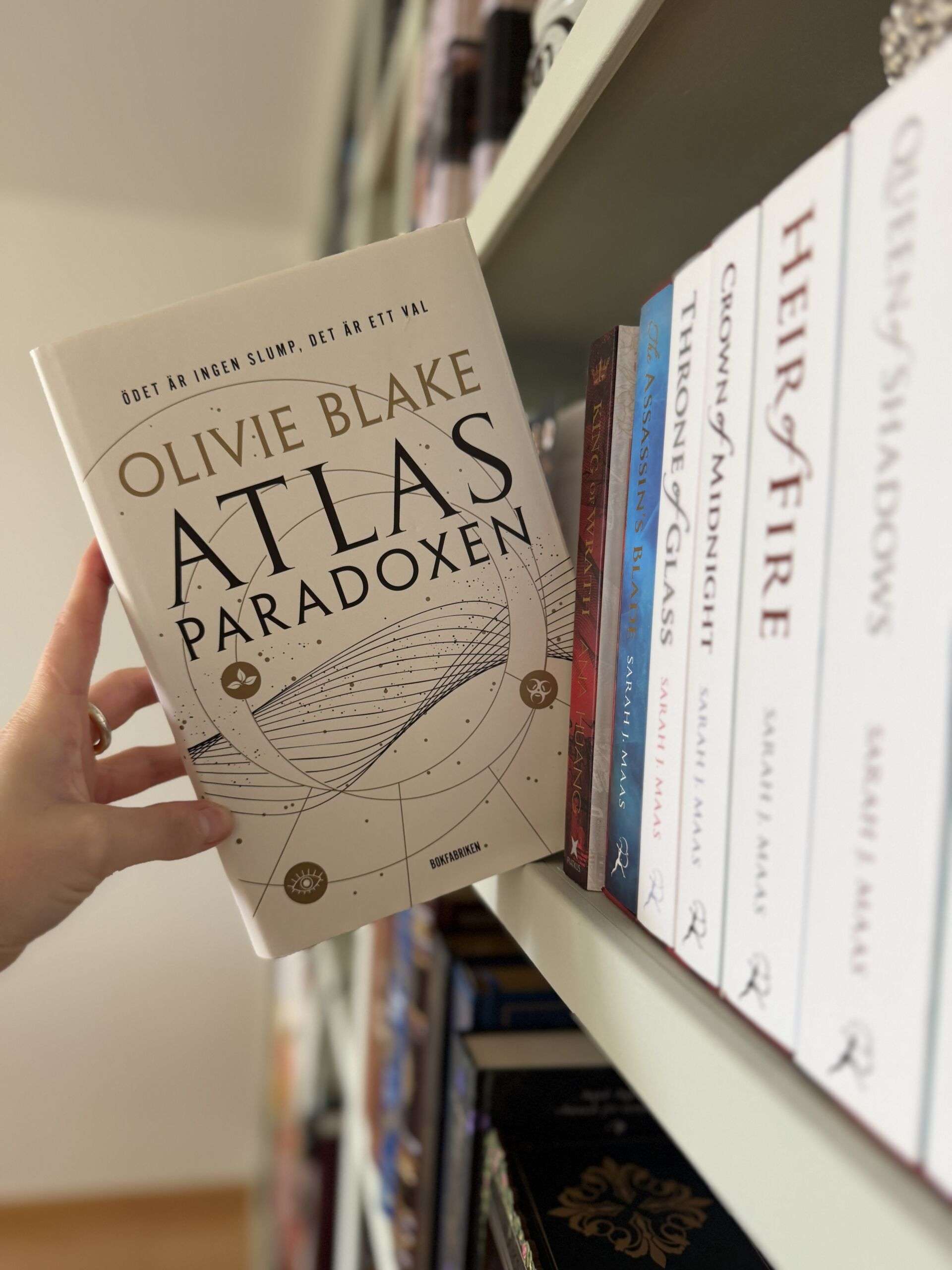
12. The Atlas Six by Olivie Blake
Every ten years, six exceptionally gifted magicians are selected as candidates for the secretive Alexandrian Society. The society preserves knowledge lost to the rest of the world and offers its members almost unlimited power.
But only five of the six candidates will be accepted.
The students possess different magical abilities and must compete and cooperate with one another. The more they learn about the society, the clearer it becomes that someone expects them to pay a considerable price for membership.
The Atlas Six places particular emphasis on its characters’ relationships, intellectual discussions, and struggles for power. It is a book for readers who enjoy closed groups in which everyone is simultaneously an ally and a rival.
Ideal for readers who enjoy: secret societies, complicated group dynamics, unusual magical abilities, and morally gray characters.
Which dark academia book should you read first?
The right starting point depends on which aspect of dark academia interests you most.
Want to read the genre’s defining modern classic?
Start with The Secret History.
Looking for theater, intense relationships, and murder?
Choose If We Were Villains.
Want something surreal and darkly funny?
Try Bunny.
Interested in magic and secret societies?
Begin with Ninth House or The Atlas Six.
Want historical fantasy with social and political criticism?
Choose Babel.
Looking for genuinely dark academic horror?
Read The Library at Hellebore.
Interested in magic, research, and institutional power?
Try Blood Over Bright Haven or An Academy for Liars.
Frequently asked questions about dark academia books
Are all the books on this list written for adults?
Yes. The books on this list are published or generally positioned for an adult readership. That does not mean they all contain explicit material, but several explore violence, abuse of power, substance use, and mental illness.
Is dark academia always fantasy?
No. Some of the best-known dark academia books contain no supernatural elements. Others combine the genre with fantasy, horror, or speculative fiction.
Does dark academia always include romance?
No. Romantic relationships may appear, but the genre’s central themes are usually knowledge, ambition, belonging, privilege, and power. Friendships, rivalries, and relationships between students and professors are often more important than romance.
What is the difference between adult and young adult dark academia?
Adult dark academia often features older protagonists and may explore graduate education, academic careers, research, and institutional power. It also tends to address heavier themes. The boundary is not always clear, however, particularly when a story takes place at a school or university.
What should I read after The Secret History?
Try If We Were Villains for Shakespeare and another tightly connected group, Bunny for a more surreal academic experience, or The Cloisters for research, art history, and dangerous obsession.
Sources and book information
Book descriptions are based on information provided by the books’ publishers. Editions and availability may change over time.